‘Ditch’ the Boots: Switzerland’s Barefoot Hiking Revival
Switzerland’s famous for its snowy peaks and picturesque slopes. It’s home to some of the world’s chicest ski resorts and 40,000 miles of summer hiking trails.The Swiss have elevated outdoor Alpine lifestyles to a national art form… and the image you might have is a global elite clad in equal parts stylish and highly technical gear.
Not so fast.
Switzerland Tourism / Colin Frei
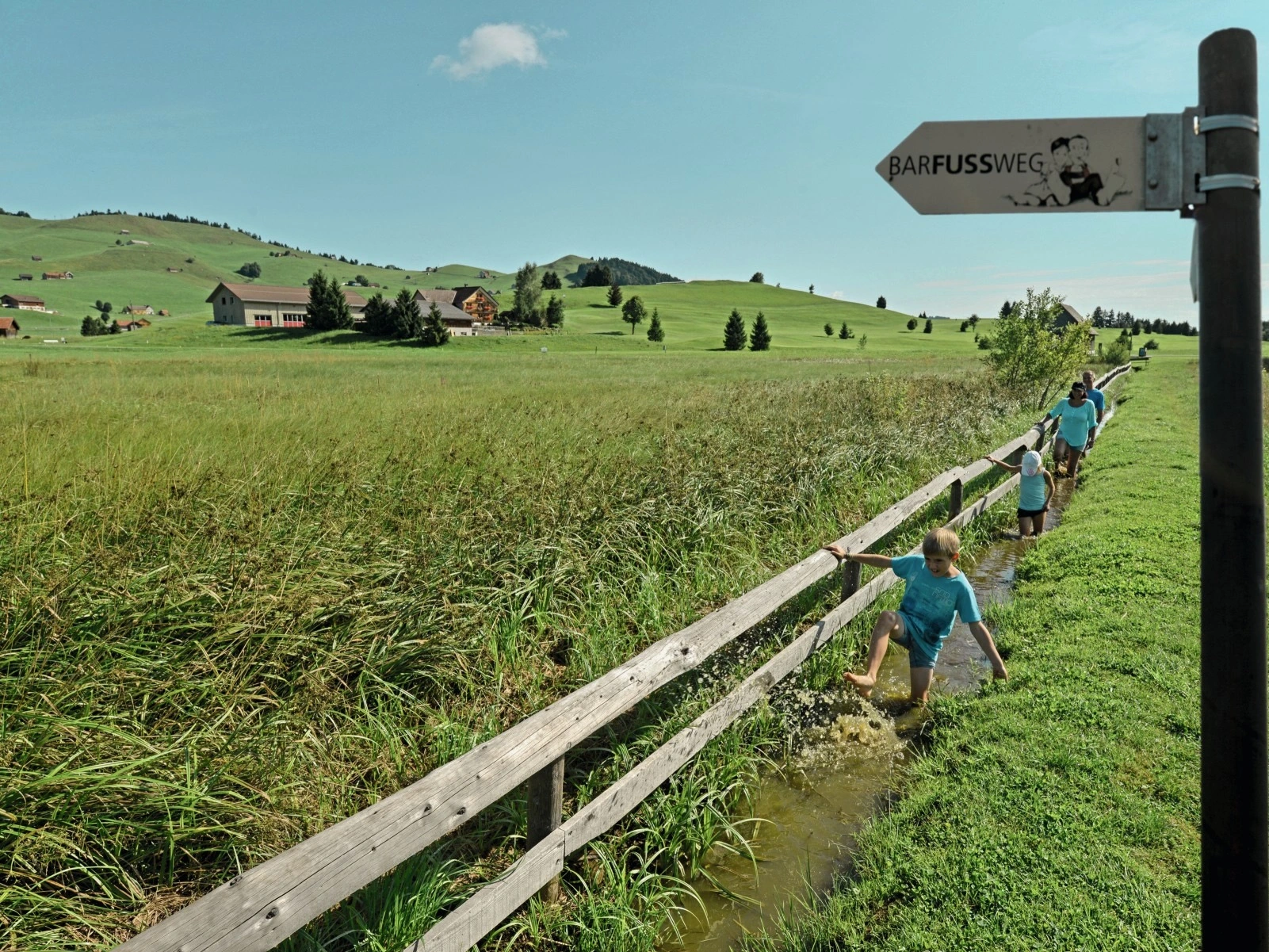
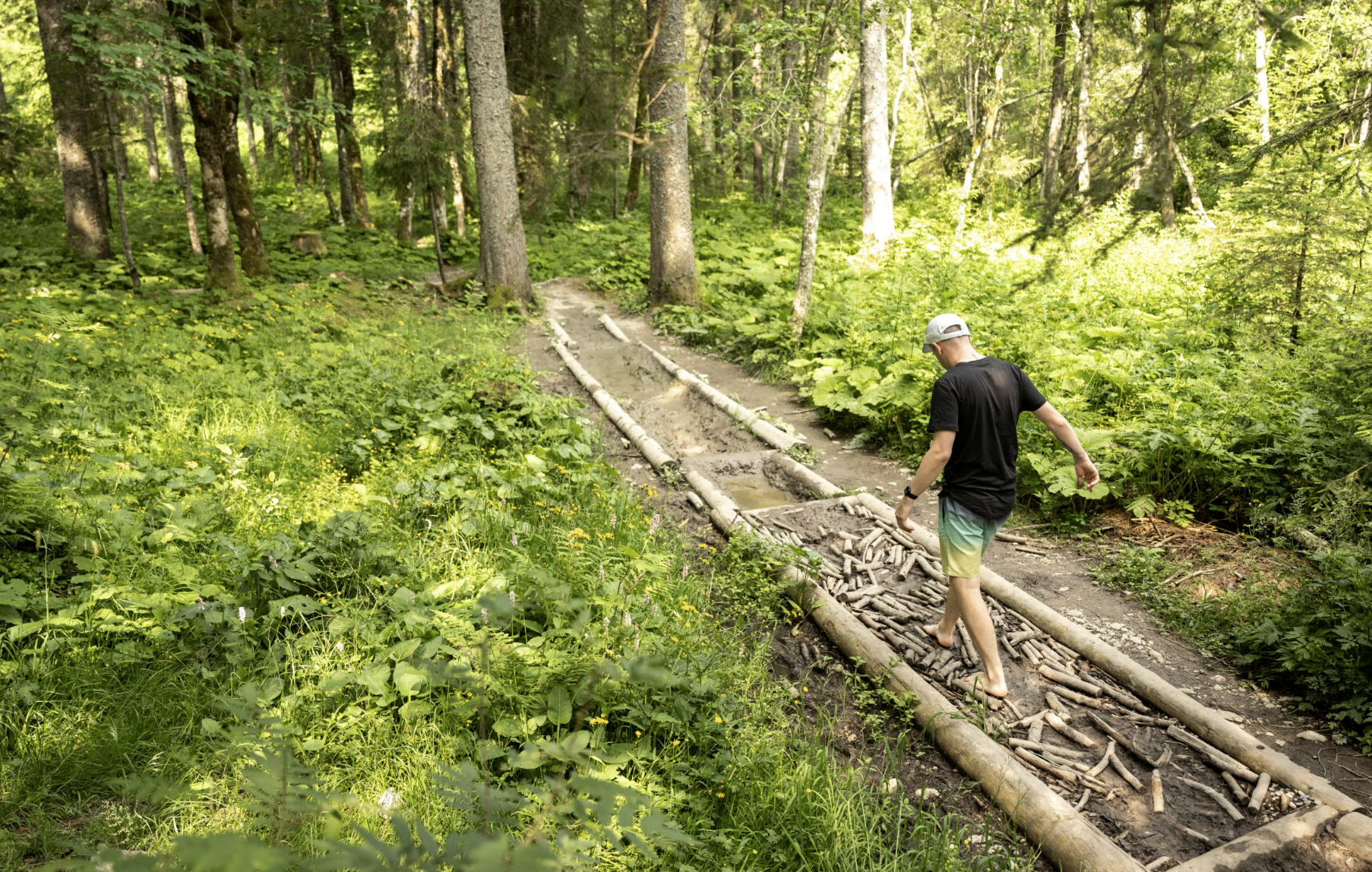
On a growing collection of Swiss trails called Barfussweg (‘Barefoot Trails’), the on-trend footwear is… none.
Welcome to barefoot hiking. A modern wellness trend that isn’t new at all.
Switzerland Tourism / Colin Frei
Back to ‘Bare’-sics
Just over a century ago, robust children running barefoot through Alpine meadows was part of everyday life. To this day, the cultural memory remains associated with health, resilience and direct physical contact with nature.
At the same time, European movements promoting living connected with the natural world rose - partially in response to industrialization. Late 19th-century teachings espoused a holistic combination of exercise, plants, lifestyle, water treatments—and barefoot walking.
The movement retained a following in the Swiss lifestyle and has even seen a resurgence – another push to reconnect with the natural world during this new period of rapid technological change?
It’s the active, outdoors version of going ‘unplugged.’ And barefoot hiking may be its most dramatic expression.
SaastalTourismusAG
Not Just a Pretty Picture
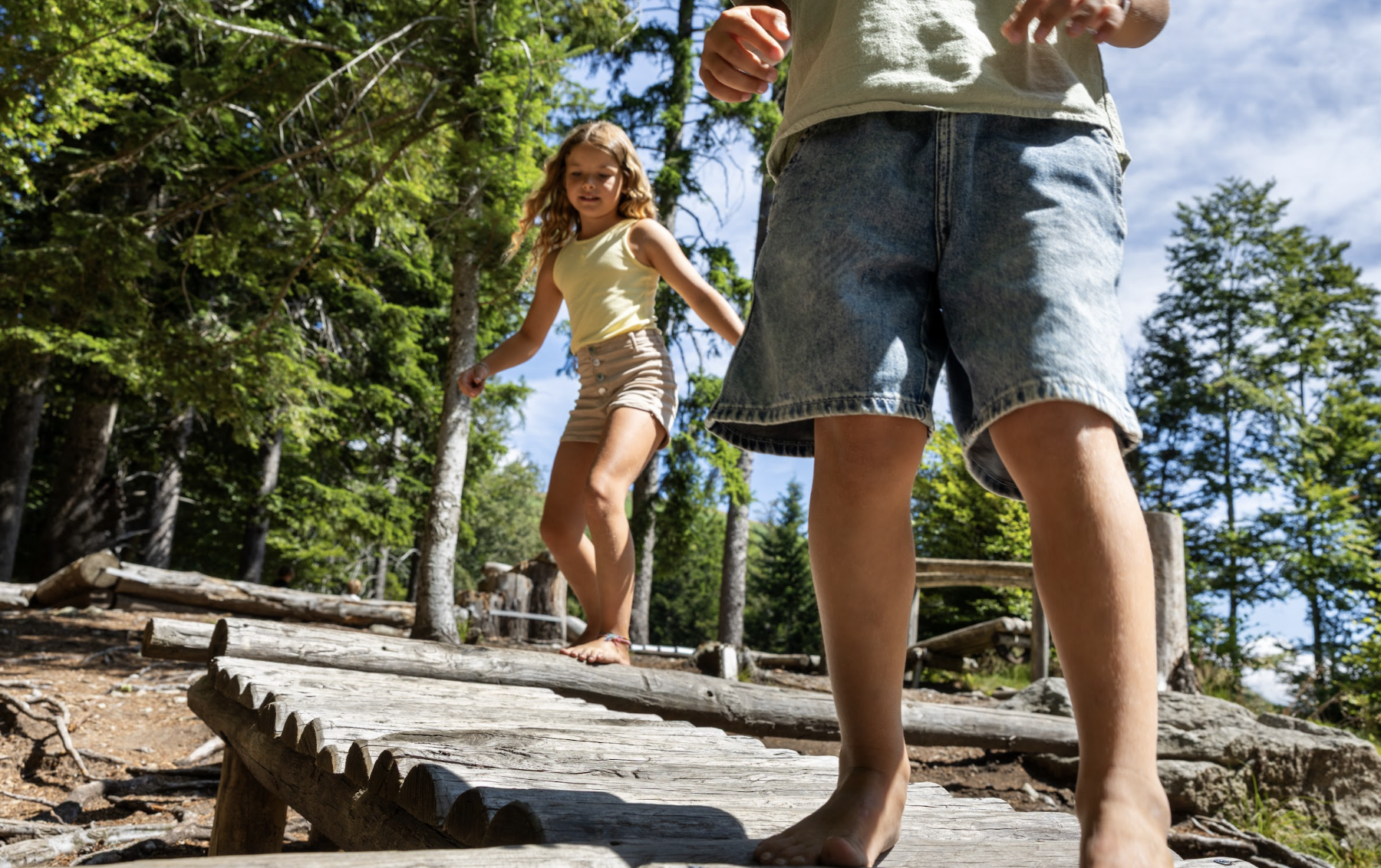
Barefoot hikers point to health benefits including stronger foot muscles, flexibility, balance, stimulated nerve endings, and greater sensory and bodily awareness.
Switzerland Tourism / Nicole Schafer
Plus, as climate change threatens reliable snowfall, some Swiss Alpine destinations are expanding their warm-weather experiences. Family-friendly nature trails, sensory experiences, playgrounds, and barefoot walks give Alpine resorts a new lease on life.
Visitors to Switzerland can be part of this new Swiss story: rural tradition reinterpreted as wellness, sustainability and a new way to experience the Alps.
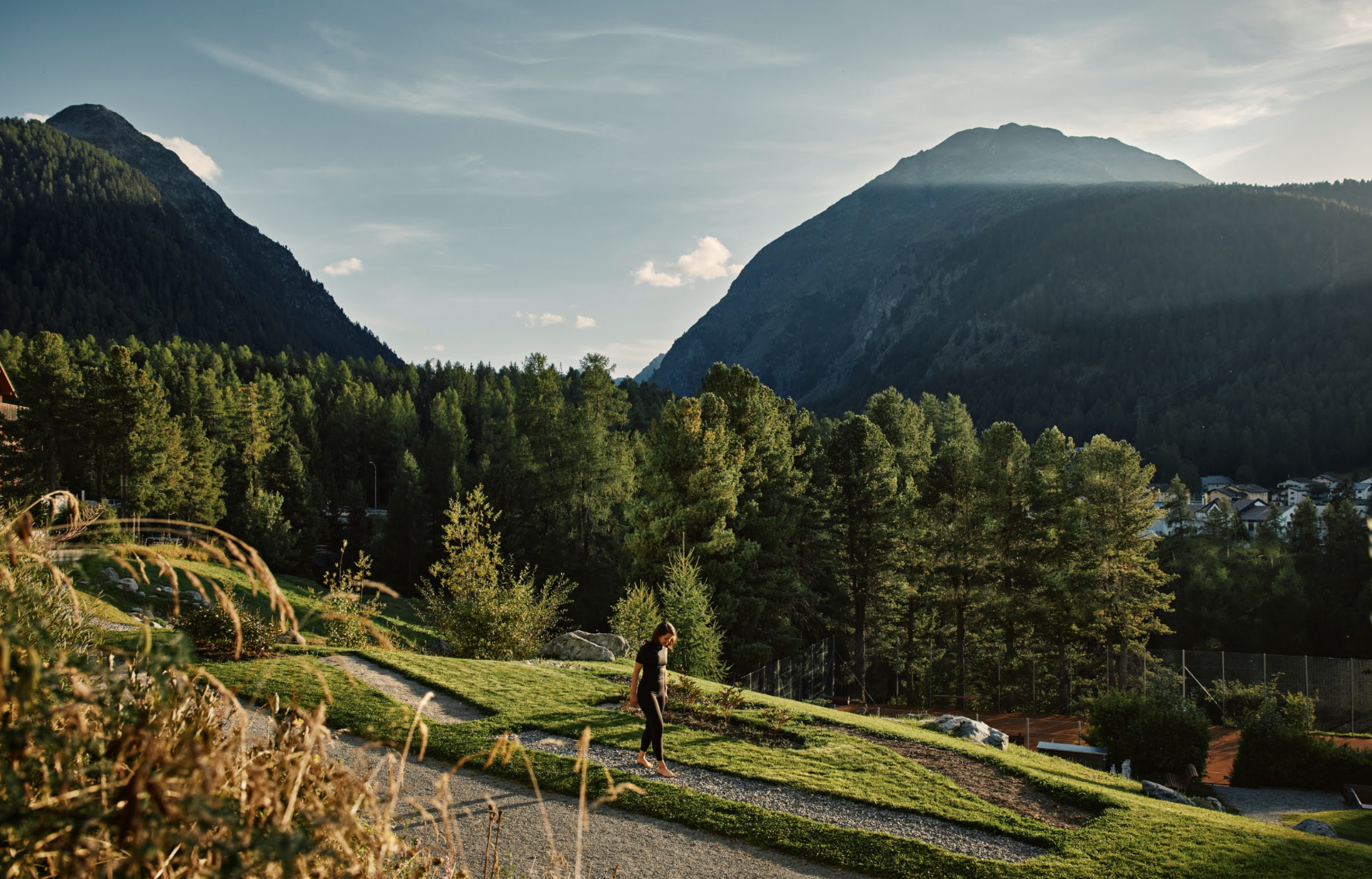
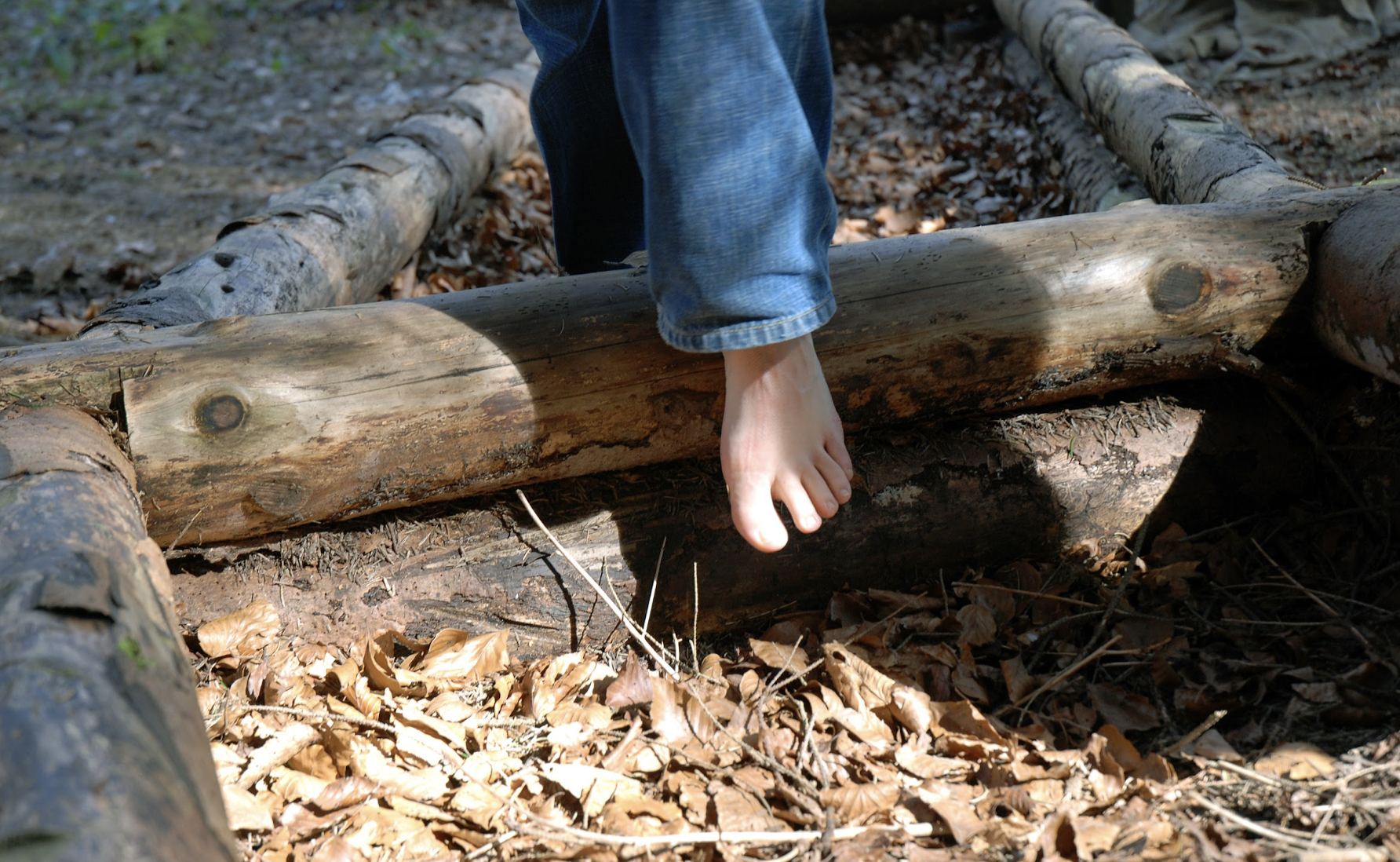
Barefoot hiking allows you to notice temperature. Texture. Moisture. The difference between forest and meadow. You walk more slowly because you have to. You are more aware – even meditative. You look down — then remember to look up at the Alps.
Switzerland From the Ground Up
Switzerland Tourism / Nico Schaerer
One of the best-known places for barefoot walks is Appenzellerland, where a 3.3-mile Barfussweg (‘Barefoot Trail’) crosses the local moor.
In the Engadin, Celerina has barefoot routes through meadows, water and the forest, including one stretching nearly 4 miles.
Above Engelberg, the Brunni barefoot trail adds another distinctly Swiss ingredient: altitude. Its mile-long mountain route climbs over 6,000 feet.
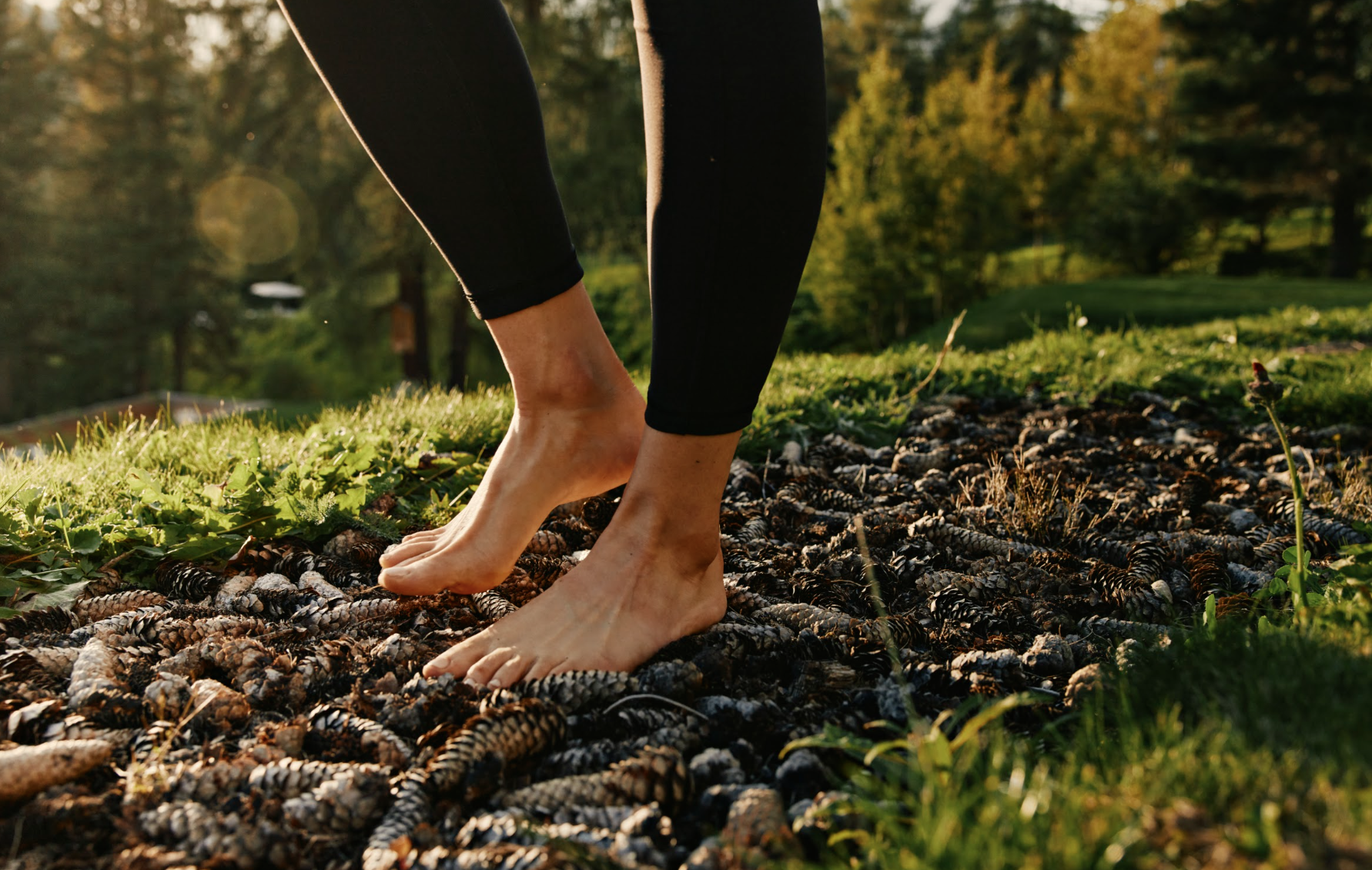
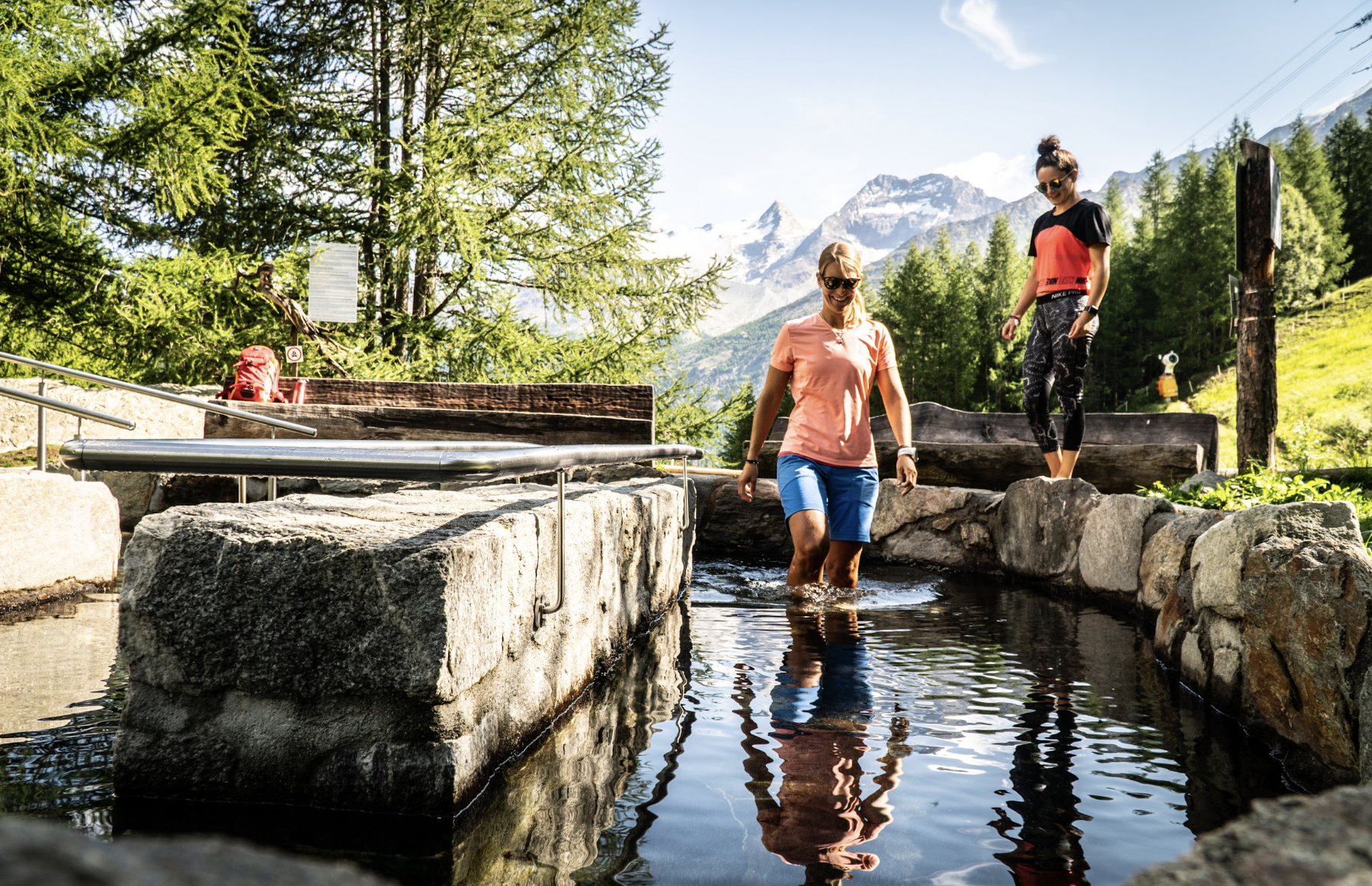
But maybe the best place to start is at Nendaz in Valais, where a short barefoot experience introduces your feet to sand, wood chips, pebbles, pine cones, earth, moss, and pine needles before finishing in a refreshing river.
Tips for Dipping Your Toes into Switzerland’s Barefoot Hiking Trend
Zurich Region
Start short. Give your feet time to adjust.
Choose a designated barefoot trail. Don’t just strip off your boots halfway up an Alpine hiking route.
Bring your shoes. Put them back on whenever you become uncomfortable. It’s not a competition.
Watch where you step. Roots, stones, and hot surfaces can injure your tender tootsies.
Skip barefoot hiking if you already have cuts, blisters, or poor foot circulation.
Pack a small towel. No need to transfer the trail to the inside of your socks or shoes after your barefoot hike.
Don’t rush. Again, it’s not a competition; it’s about how much more you notice along the way.
For all Switzerland’s well-earned reputation as a well-‘heeled’ destination, famous for its private banking, luxury watchmakers and jewelers, rich cheese, chocolate and sleekly clinical global pharmaceutical companies, one of the best Swiss experiences may be to walk in the footsteps of its barefoot hiking tradition.
All rights reserved. You are welcome to share this material from this page, but it may not be copied, re-published, broadcast, rewritten or redistributed.